
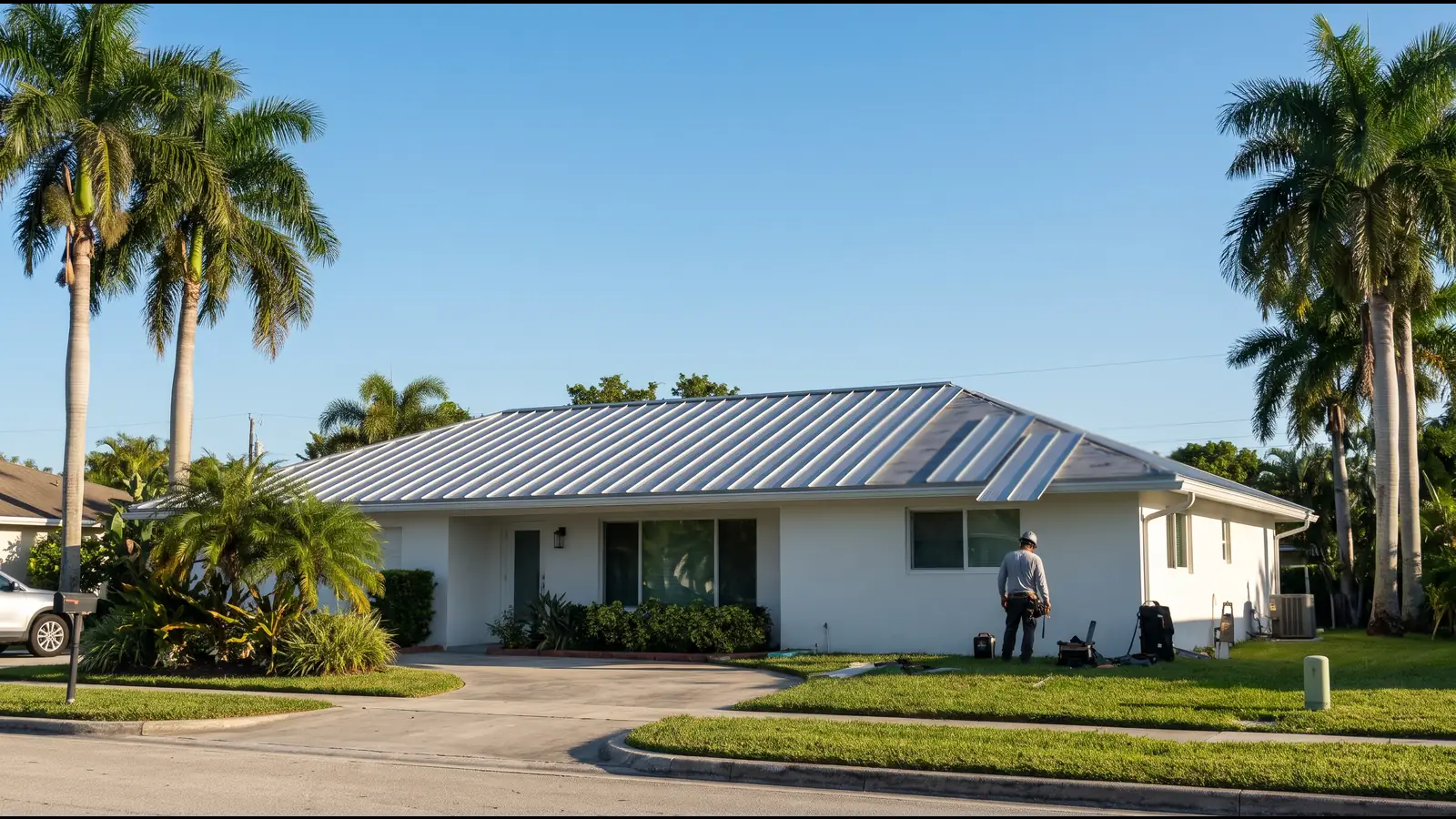
Stone-Coated Steel Roofing Profiles and How They Go On
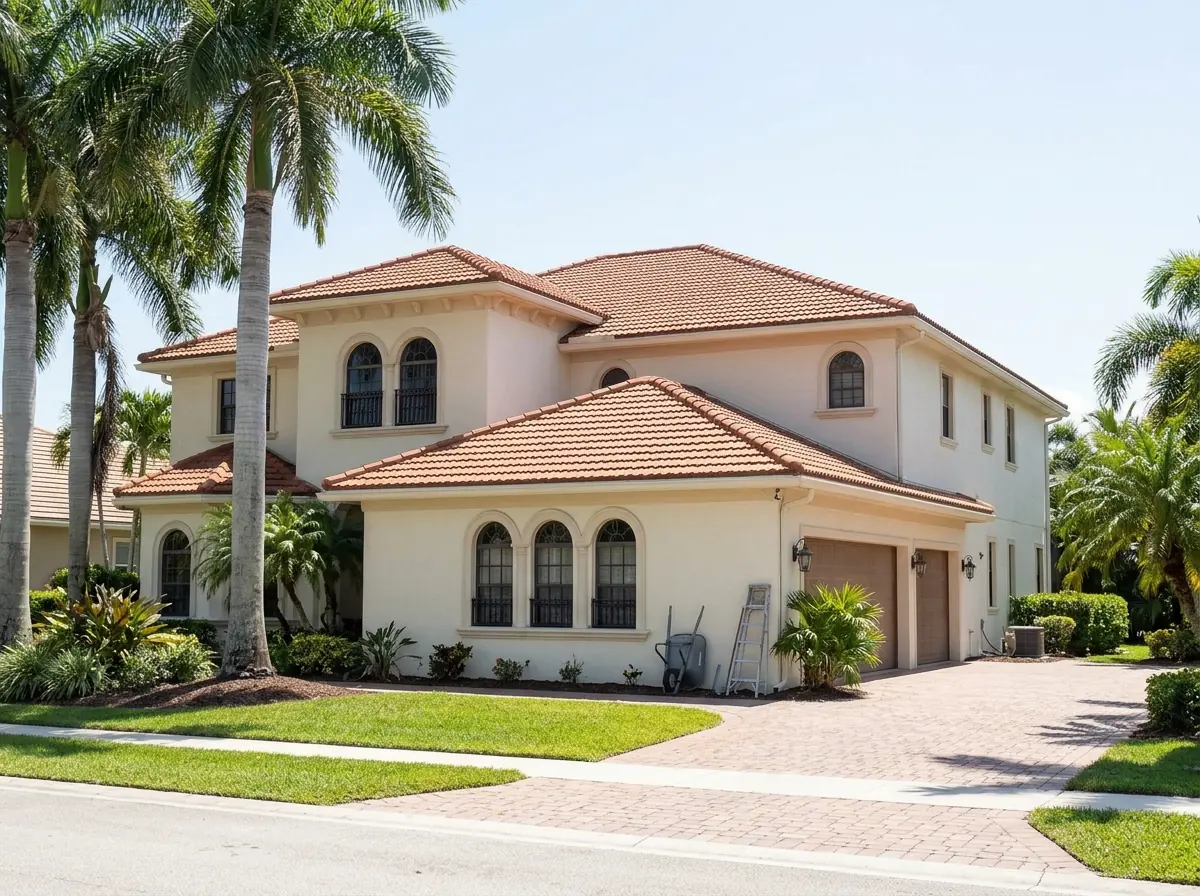
Barrel Tile Profile
The barrel profile copies the rounded S-shape of clay and concrete tile, so it fits a Mediterranean-style house that already wears that look. One pressed panel measures roughly 14 to 17 inches by 44 to 54 inches on a current approval, which means it covers a row of several tile shapes at once. From the street, a stone-coated barrel roof reads as tile. Close up, the granule texture and the straight panel edges give it away.
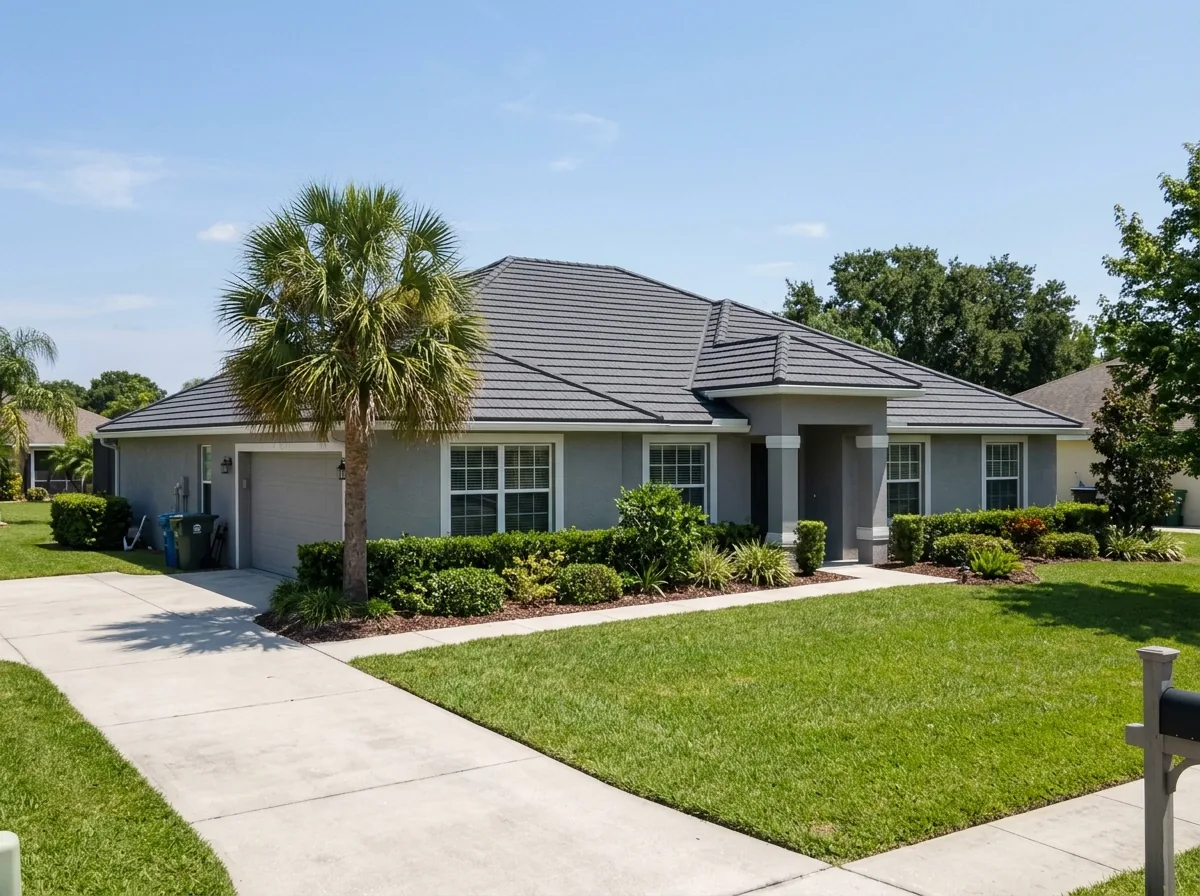
Flat and Roman Tile Profiles
Flat and Roman profiles copy the lower, squarer shapes of flat concrete tile. They suit hip roofs with long, plain slopes. The panels are aluminum-zinc coated steel under the granules, and one manufacturer's manual for its Roman profile tells installers to cut on the ground and to walk only on the high parts of the panel and over the battens. Anyone who goes up later to work on an AC line or a satellite dish should follow the same rule.
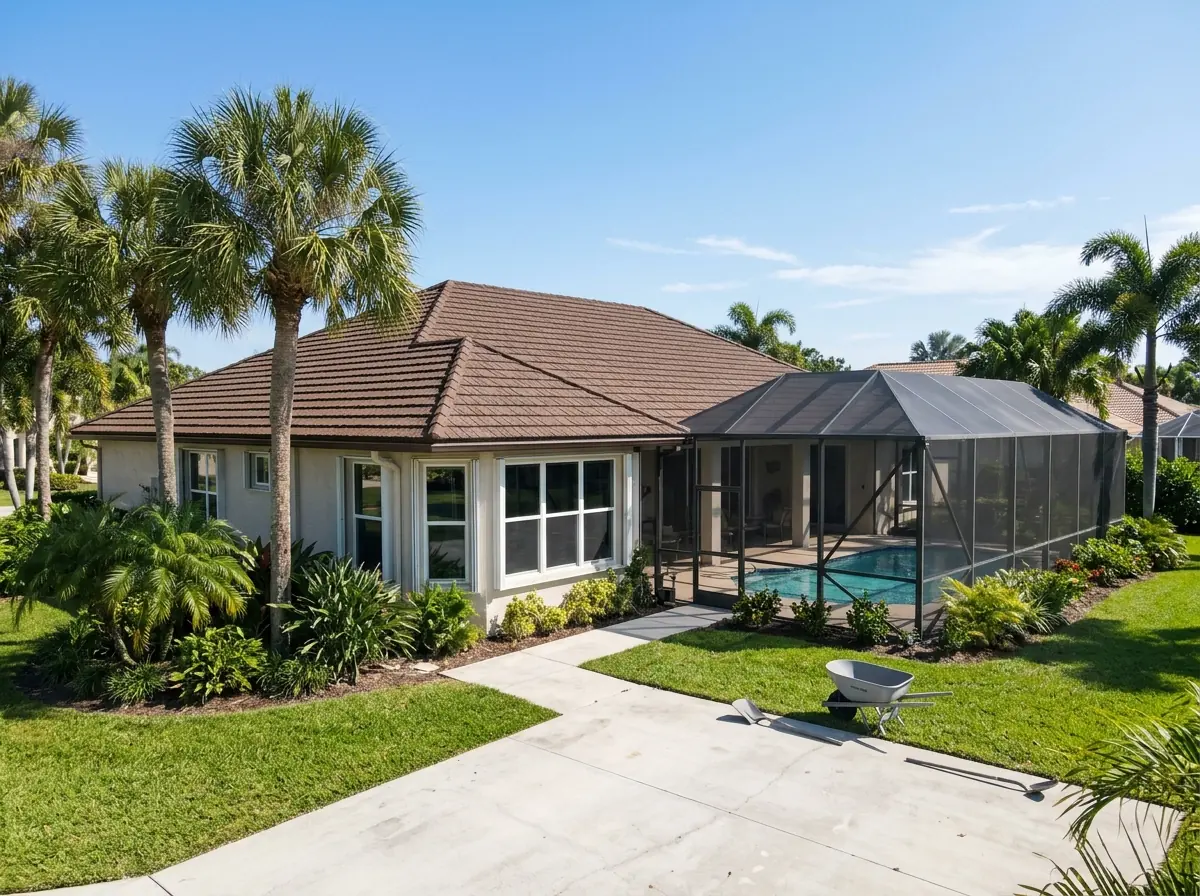
Shake Profile
The shake profile gives the split-wood look without wood. Some shake panels are made to screw straight to the deck, with no battens. On one current Miami-Dade approval, the direct-to-deck shake system is listed for slopes of 2:12 and steeper, a lower pitch than the battened tile systems on the same document allow. That can make shake the stone-coated option for a lower-pitched roof.
Batten or Direct-to-Deck Installation
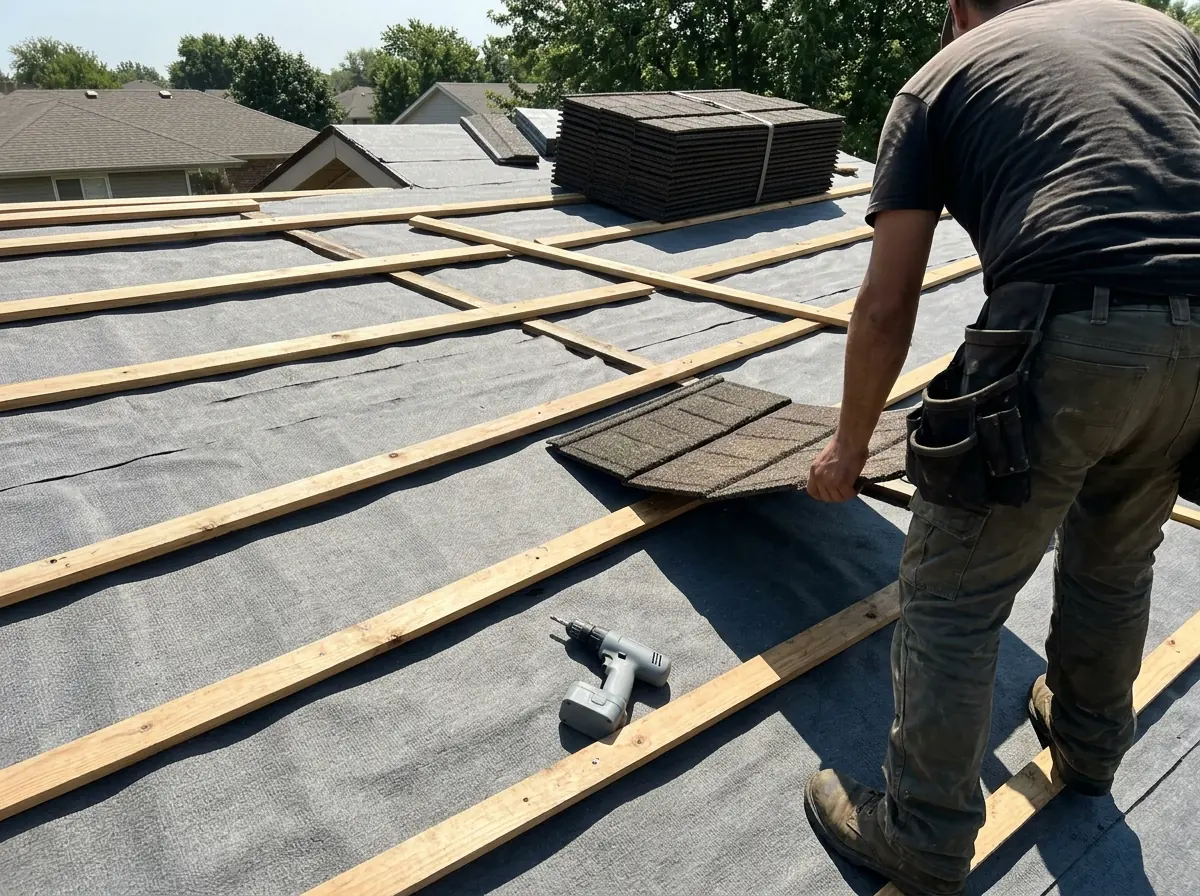
Stone-coated panels hook over horizontal wood battens or screw straight to the plywood. The approval for the system says which method your roof gets and how tightly to fasten it. From that same approval:
- Batten spacing. No more than 14-1/2 inches apart, screwed through the deck into the trusses.
- Battened slope. 3:12 or steeper.
- Direct-to-deck slope. 2:12 or steeper for the listed shake system.
- Screws per panel, battened. 4 in the field of the roof, 7 at the perimeter and corners.
- Eave drip edge. Fastened every 4 inches.
Granule Loss and Touch-Up
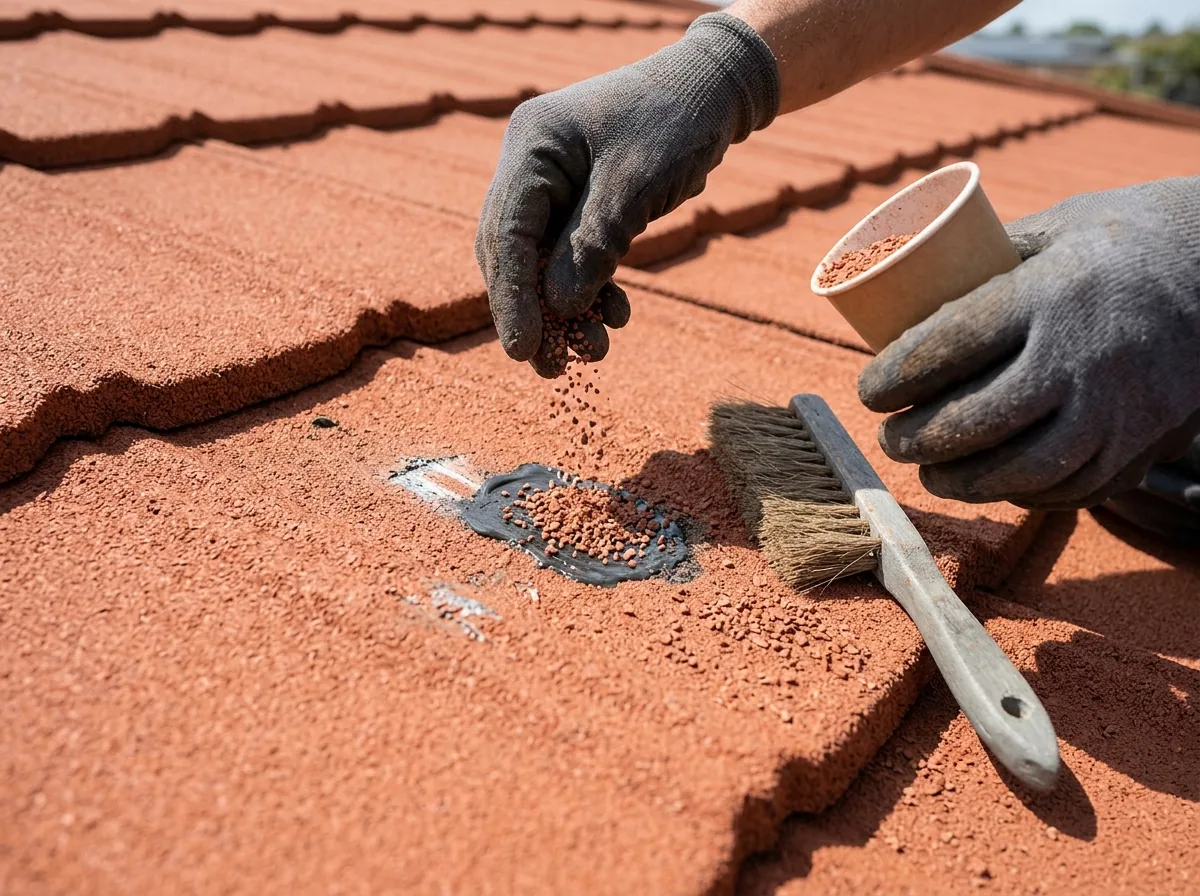
Scuffs and cut edges can leave bare spots where the granules are gone. Touch-up kits come with granules matched to the roof: adhesive goes onto the spot, then a heavy sprinkle of matching stone chips, left an hour to set before the loose chips are swept off. The same manual warns against smearing sealant over a damaged panel face as a fix. A torn panel is a replacement job, not a touch-up, and HomeGuide puts stone-coated repairs at about $7 to $13 a square foot.
Why Pompano Beach homeowners call Pompano Metal Roofing
- One independent roofer per request, never a call list
- Ask for tear-off, deck repair and permit as separate lines
- No fee to homeowners for the referral or the estimate
- Your details go to that one roofer and nobody else
Stone-Coated Steel Roof Quotes: Questions to Ask
Which approval?
Ask for the approval number and the system letter within it. The panel, battens, underlayment and screws have to be product-approved for the HVHZ as one system.Battens or direct to deck?
Ask which method fits your roof's measured pitch, and why.Screw count at the edges
The quote should follow the tighter perimeter and corner pattern, not the field pattern all over.Leftover color
Ask for a touch-up kit and a few spare panels in your color to be left with you for later repairs.Distance from salt water
Stone-coated panels are steel. If you live close to the water, read up on roofing near salt water and ask what the panel warranty says about your address.